Toys That Actually Build Reading Skills (Most Don't)
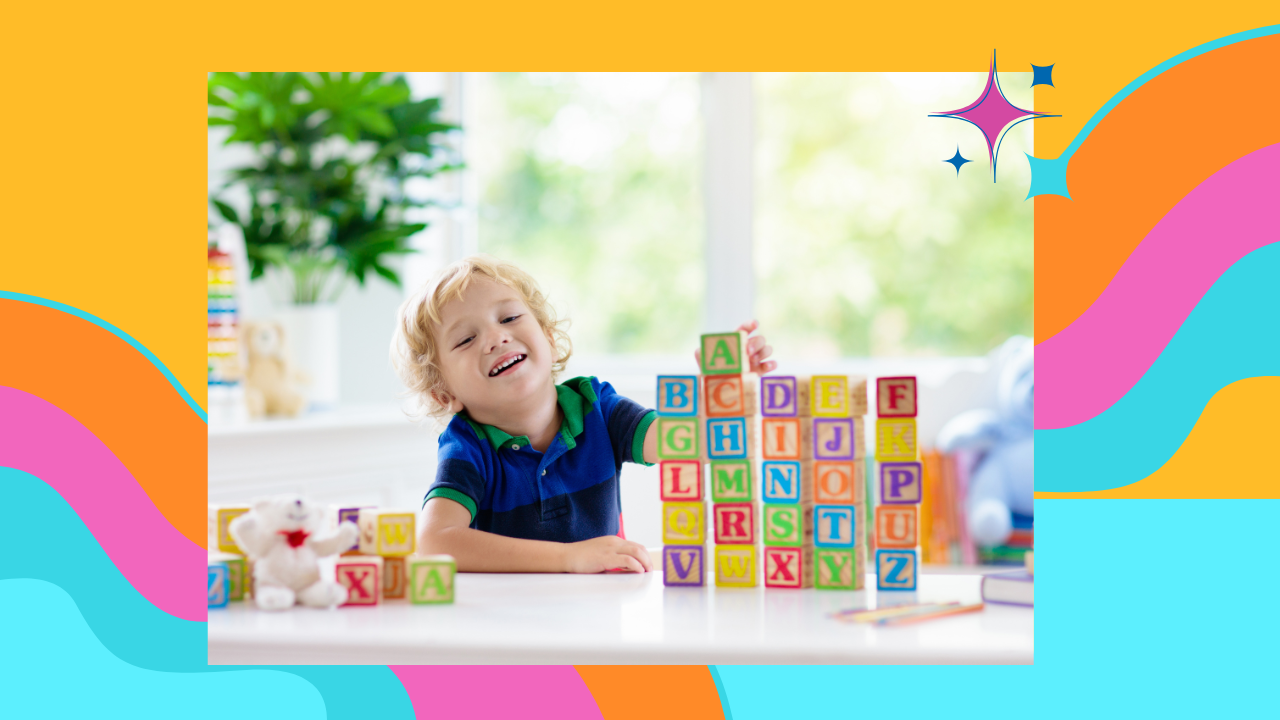
💛 Why Play Comes First
Kids don’t need more “lessons.” They need experiences that light up their curiosity.
Almost every early literacy skill — from hearing sounds to recognizing letters — can be learned through play, conversation, and everyday life.
After years of teaching kindergarten and first grade, and now working as a Reading Specialist, I’ve seen exactly how a child’s early experiences shape their success in school.
The children who enter with a strong foundation — knowing their letters, sounds, and how to play with language — soar.
The ones who don’t often spend months trying to catch up, and some never fully do.
It’s not because they can’t learn — it’s because they didn’t get the playful, hands-on practice their brains needed early on.
The good news?
You can build that foundation right at home, through connection and play.
🎣 What This Looks Like in Action
One of my favorite examples is our magnetic fishing pond toy.
Each time your child “catches” a fish, you can say the letter on the fish and make its sound — “B says /b/.”
It’s quick, fun, and builds one of the first links in reading and writing:
matching letters to the sounds they make.
What’s happening in that moment looks simple, but it’s powerful.
Your child is strengthening fine-motor control, hearing and producing sounds, and visually connecting print with speech — all through play.
That’s how toys become teaching tools: not by forcing lessons, but by turning everyday moments into learning opportunities.
✏️ Why It Matters
Kindergarten today looks very different than it used to.
Children are expected to start reading almost right away — but here’s the thing:
👉 You can’t read if you don’t already know the letters or the sounds they make.
That’s why playful, hands-on learning in the early years is so important. When kids connect letters to sounds through movement, songs, and games, they’re not just “playing” — they’re building the foundation for everything that comes next.
And there’s another reason to start early:
Play helps parents understand their child more clearly.
When children explore, talk, build, and move, parents begin noticing:
-
strengths
-
learning patterns
-
areas that seem harder
-
speech or sound challenges
-
fine-motor development
-
how their child learns best
That awareness is powerful.
Early learning gives you the chance to spot patterns, celebrate strengths, and seek support when something isn’t clicking.
For example, my daughter had trouble forming her mouth correctly for certain sounds — like R or digraphs such as th and sh. Through our sound-play routines, I noticed this early and helped her practice. Even without a teaching background, parents can observe things like this and gently support their child before school expectations intensify.
This is what developmentally appropriate learning looks like:
Discovery. Connection. Growth through play.
🎉 How Play Builds Early Reading Skills (Without Feeling Like Learning)
When most people picture “teaching reading,” they imagine flashcards and worksheets.
But that’s not how early literacy develops.
Young children learn with their whole bodies — through movement, touch, pretend play, and exploration.
Here are some of the most important early reading skills that develop naturally through play:
1. Letter Recognition Through Hands-On Exploration
Kids don’t only need to memorize letters — they need to experience them.
Using puzzles, magnets, foam letters, or chalk outside helps kids:
-
see letters in meaningful ways
-
hear you say the letter name + sound
-
match letters to objects, toys, or pretend play
Play makes letters real.
2. Sound Awareness Through Daily Moments
You don’t need a lesson plan — you need a moment.
Sound play can happen:
-
in the car
-
at breakfast
-
while getting dressed
-
during bath time
-
while running errands
Ask:
-
“What sound do you hear at the beginning of soap?”
-
“Can you think of another word that starts with /m/?”
-
“Let’s play a rhyming game while we walk the dog.”
This is foundational reading instruction disguised as conversation.
3. Fine Motor Play Helps Writing Later
When kids:
-
build with blocks
-
squeeze Play-Doh
-
use tongs
-
draw with crayons
They’re strengthening the muscles needed to:
-
hold a pencil
-
form letters
-
control strokes
-
write with confidence
Strong hands = strong writers.
4. Pretend Play Builds Language & Comprehension
Pretend play builds:
-
sequencing
-
vocabulary
-
storytelling
-
perspective-taking
-
cause and effect
Everything readers must do in their head, children practice out loud in pretend play.
5. Matching Games Build Flexibility & Pattern Recognition
Matching uppercase and lowercase letters (“mommy + baby letters”) might look simple, but it builds:
-
letter relationships
-
sound consistency
-
print awareness
-
early decoding readiness
These understandings anchor reading later.
⭐ Here’s the Most Important Part
Play turns skills into joy.
And joy turns learning into something children want to come back to.
Reading success grows from hundreds of tiny, positive interactions — not long lessons or pressure.
You’re building a foundation that feels safe, fun, and connected.
That foundation matters more than anything you could buy in a workbook.
⭐ How to Play With Purpose (Without Being a Teacher)
One of the biggest misconceptions is that teaching at home means acting like a teacher.
You don’t.
You don’t need lessons.
You don’t need a curriculum.
You don’t need 20-minute table time.
You already have everything you need:
Your home. Your voice. Your relationship.
Here’s what purposeful play actually looks like:
✨ 1. Follow Their Play — Add One Tiny Layer
If your child is playing with blocks, you can build literacy and math:
-
“Let’s count your blocks. How many are in your tower?”
-
“Mine has 6. Which tower has more? Which has less?”
This teaches number sense and comparison vocabulary — naturally.
If they’re pushing cars, sprinkle in sound awareness:
-
“What sound does car start with?”
-
“Can you think of another word that starts with /k/?”
You’re not interrupting the play — you’re enriching it.
✨ 2. Use Real Vocabulary
Kids can understand uppercase and lowercase when you naturally use those terms.
Repeat them casually.
Exposure builds understanding.
✨ 3. Make It a Game, Not a Lesson
Kids shut down when learning feels like work.
But they thrive when learning feels like play.
Try:
-
alphabet scavenger hunts
-
puppet sound games
-
matching puzzles
-
“mommy + baby” letters
-
jumping on letters
-
kitchen sound sorts
These activities build huge literacy foundations — joyfully.
✨ 4. Keep It Short
Five focused minutes > twenty forced minutes.
Short routines:
-
build confidence
-
keep kids engaged
-
create positive learning experiences
-
fit into your real life
This is why my 5-Minute Sound Play Routine is so effective.
✨ 5. Use Toys You Already Have (or Choose Smart Ones)
You don’t need a room full of “educational” toys.
Just a few intentional ones:
-
alphabet puzzles
-
magnetic letters
-
fishing pond letter toys
-
blocks
-
shape sorters
-
pretend play props
These become powerful literacy tools when you know how to use them.
👉 Want my curated list? Grab the Early Success Toy Guide.
✨ 6. You Don’t Need to Be a Teacher — Just Present
Your child doesn’t need:
❌ perfect instruction
❌ long lessons
❌ worksheets
They need:
✔ connection
✔ language
✔ play
✔ joyful interactions
This is where real early literacy grows.
⭐ What NOT to Worry About (Yet)
There is so much pressure around “kindergarten readiness.”
Let’s clear the noise.
✨ 1. Perfect Letter Formation
Letter and number formation matter, but early childhood is NOT the stage for perfection.
What matters now:
-
hand strength
-
pencil grip
-
basic strokes
-
confidence
-
exploration
These are the foundations that make proper formation easy later.
✨ 2. Mastering All 26 Letters by Age 3 or 4
Children learn letter names and sounds long before they can say them.
Babies learn through exposure.
Toddlers learn through repetition.
Preschoolers learn through play.
Some 3-year-olds know all 26 letters.
Others learn them at 5.
Both are normal.
✨ 3. Reading Words Before Kindergarten
Some children read early — but many are simply word callers.
They memorize text without decoding or understanding.
True reading requires:
-
phonics
-
blending
-
decoding
-
comprehension
If your child isn’t reading yet — they’re fine.
If they are reading early — focus on decodable texts.
✨ 4. Sitting Still for Lessons
Young children aren’t built for long lessons.
Movement + play = learning.
✨ 5. Comparing Your Child to Others
Development varies wildly from child to child.
Your child’s growth is not a race.
⭐ The Truth Every Parent Should Know
You can stop worrying about perfection or unrealistic timelines.
But here’s the real truth:
Early reading success can be predicted.
Children who enter kindergarten strong in these areas tend to soar:
✨ knowing all 26 letters
✨ knowing all 26 sounds
✨ blending sounds into words
✨ segmenting sounds in words
And the best part?
These skills grow through:
-
joyful sound play
-
language
-
print exposure
-
pretend play
-
short daily routines
-
connection with you
Every time you talk, play, read, sing, or explore, you are wiring your child’s brain for reading.
You’re doing enough.
Your child is learning.
And you’re exactly where you need to be.
🎁 Want Toys That Teach Early Reading Skills?
If this post inspired you, you’ll love my Early Success Toy Guide — a curated list of my favorite toys that build foundational reading and writing skills through play.
Perfect for ages 0–6, with simple tips for how to use each toy to support early literacy at home.
👉 Click here to get the Toy Guide
You're doing an amazing job. 💛