How to Teach Letter Sounds (The Easy Way)
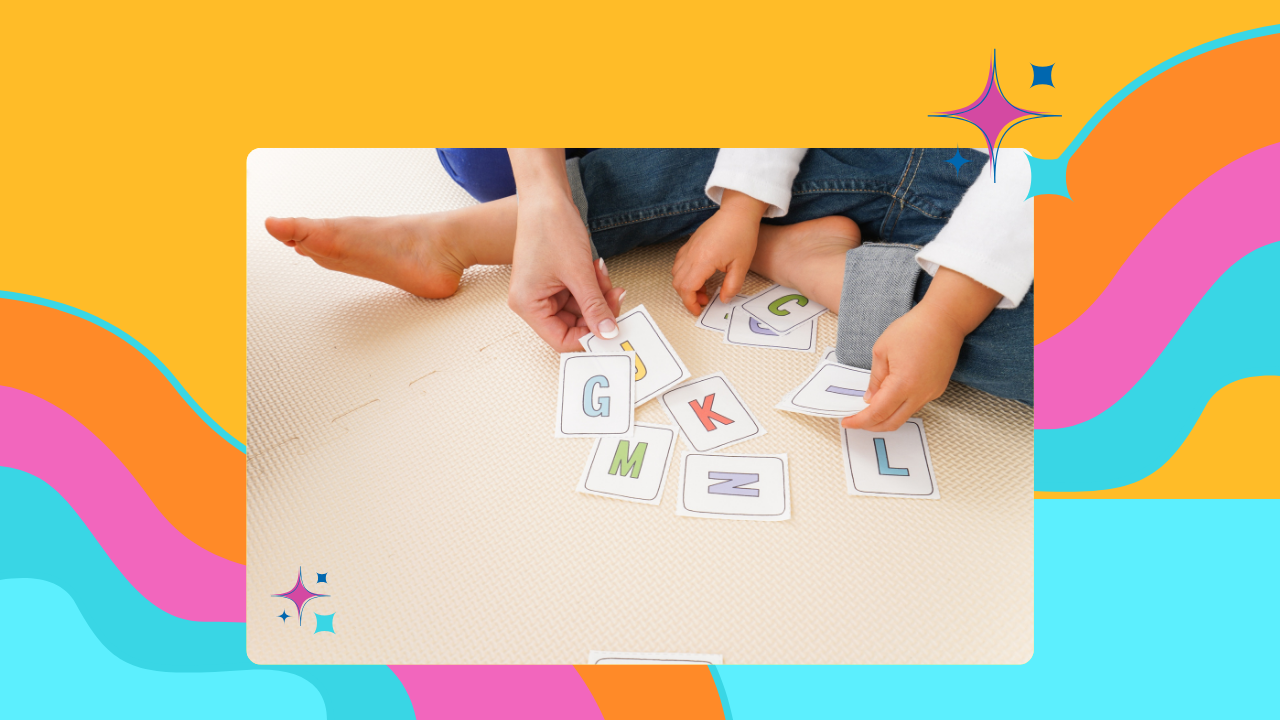
How to Teach Your Child Letters and Sounds Before Kindergarten (the Easy Way!)
Are you wondering how to teach your child letters and sounds before kindergarten - or if you even need to? You're not alone! Many parents want to support early literacy at home, but aren't sure where to start. The good news is that learning letters names and sounds can happen naturally through simple, everyday moments - and doing so builds a strong foundation for kindergarten readiness.
Why Early Literacy Matters Now More Than Ever
Today’s academic expectations are much higher than they used to be. Most schools now expect children to be reading simple books by the end of kindergarten, and reading - even just a single word like cat - isn't as simple as it seems.
To read cat, a child must:
-
Recognize the letters c, a, and t by name
-
Know the letter sounds those letters represent
-
Blend those sounds together smoothly
-
Connect the word to something meaningful in their world
That’s a lot of mental work for a five-year-old!
But when parents help their children learn letters and sounds early, reading comes much more naturally later on.
Teaching Letters and Sounds Doesn't Have to be Complicated
Here's the best part: building early literacy doesn't mean sitting down for lessons or using traditional flashcards. You can teach letter sounds at home through playful, everyday interactions.
In fact, the earlier you begin, the easier it can be - because younger children are naturally curious and eager to learn from the adults around them. As they get older, they start craving independence (and sometimes that means tuning us out - been there, right?) So staring early, when learning feels like play, is incredibly effective.
Everyday Learning is Powerful
Did you know there are simple, no-pressure ways to help your child learn letters, sounds, and even early blending skills—all during the time you’re already spending together each day?
One of the Easiest Tools? Environmental Print
Environmental print is the text that surrounds us: stop signs, cereal boxes, store logos, street names, and packaging.
Use it to your advantage! Point out letters, talk about the sounds they make, and invite your child to explore with you.
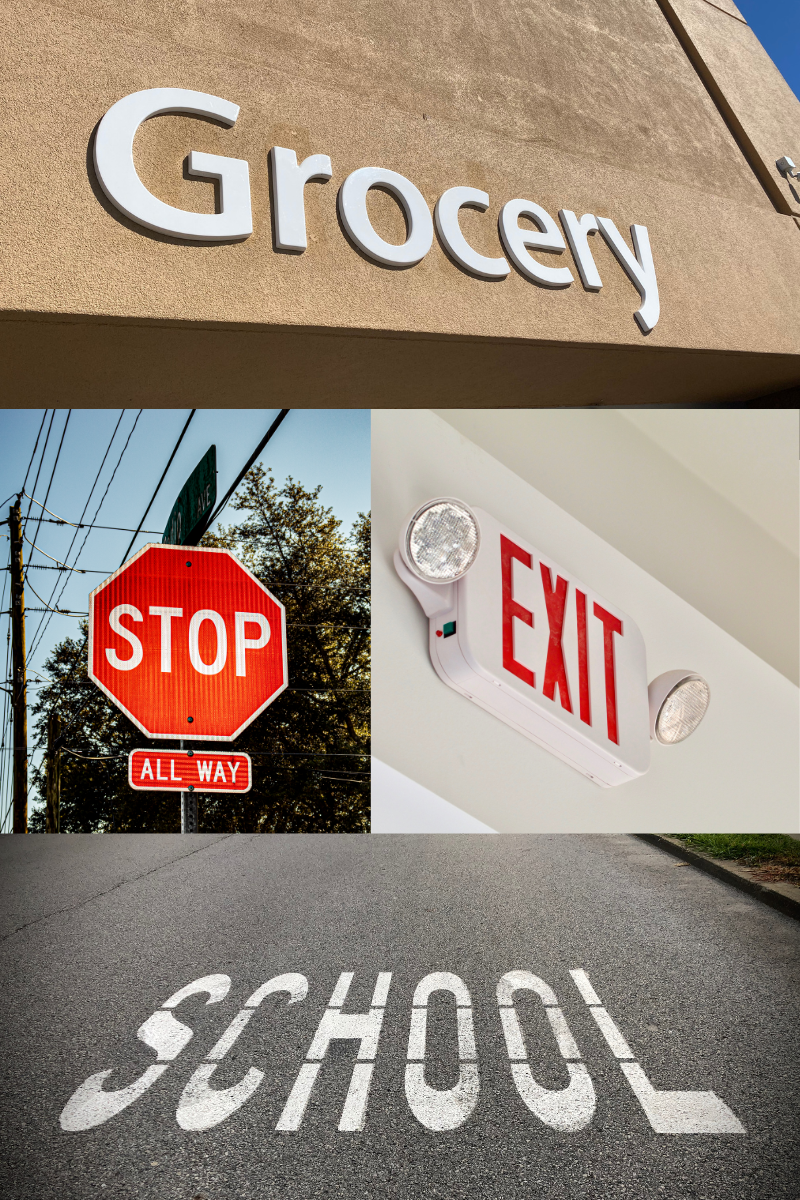
Here's the best part: you don't need to plan out which letters to teach or follow a rigid system.
You can start by simply noticing and naming letters and their sounds as they naturally show up in your day.
How This Skill Can Grow Over Time
Start by modeling it yourself:
-
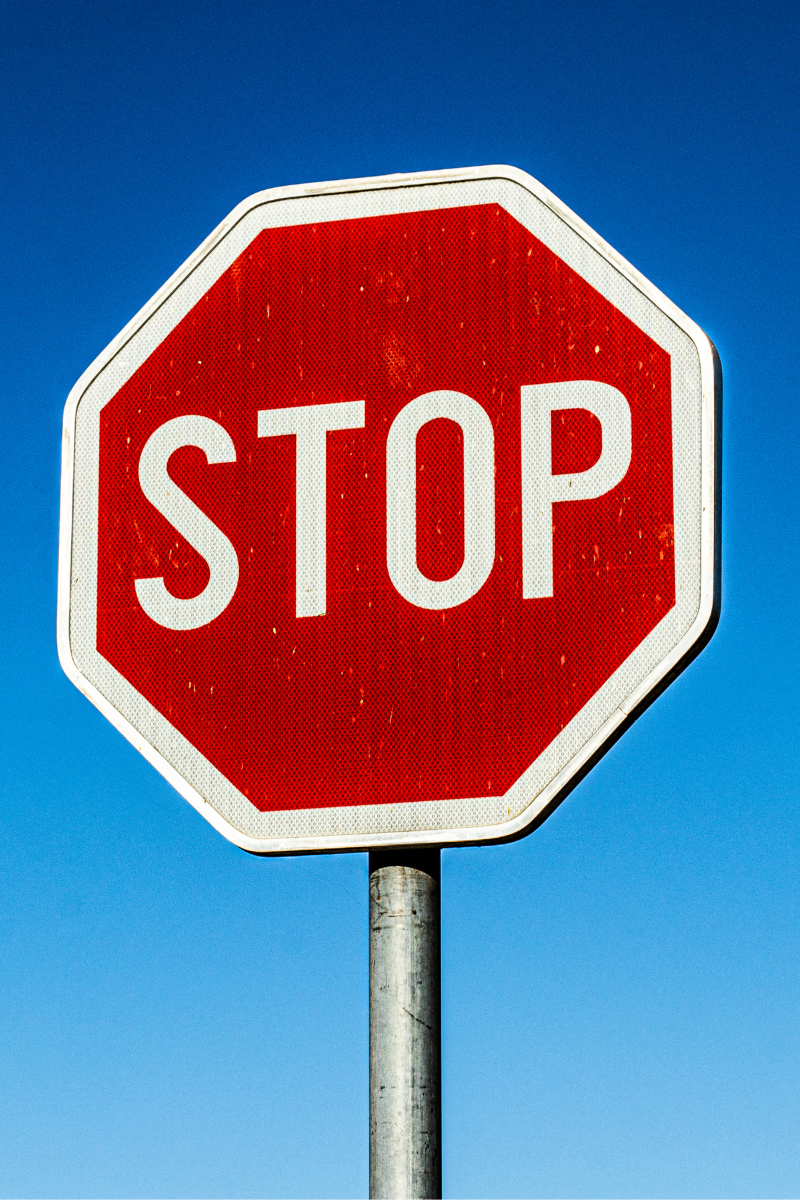
“Look! That’s the letter S on the stop sign. It says /s/, like sun.”
-
“Your cup has a D on it—D makes the /d/ sound, like dog.”
-
“There’s the letter L on the license plate! L says /l/, like lion.”
Then, prompt your child to find letters with you:
-
“Do you see the letter S anywhere? It makes the /s/ sound, like in sun.”
-
“I spot an M—can you find it too? M says /m/, like in mad.”
-
“That sign has a B—just like your name, Beatrice! B makes the /b/ sound, like in ball.”
Eventually, your child starts doing it on their own:
- “Hey! That says /t/, like tiger!”
-
“There’s an E—just like in elephant!”
This playful, no-pressure exposure helps your child connect letters with sounds in a natural way—and they’ll think it’s just a game.
Learn the Correct Letter Sounds
Before you dive in, one of the most crucial first steps is learning the correct letter sound pronunciations.
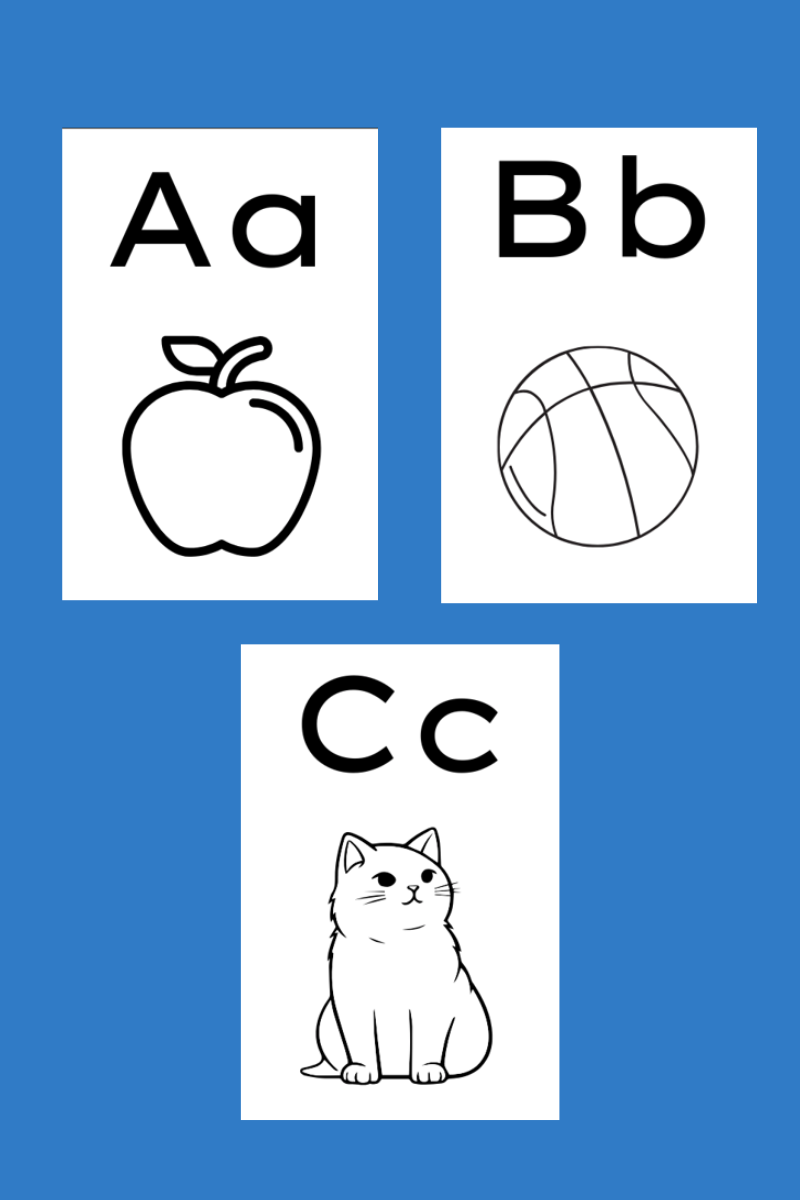
In schools, teachers often use letter/keyword/sound cards to help children make strong, lasting connections. For example, they might say:
-
“A – apple – /a/”
-
“B – ball – /b/”
-
“C – cat – /k/”
The keyword gives children a familiar reference. If they forget a letter’s sound, they can recall the keyword and hold onto the beginning sound in their mind.
Want to Hear What the Sounds Actually Sound Like?
Head over to my Youtube Video where I walk you through the correct pronunciation of each letter sound - so you can feel confident teaching letter sounds at home. Be sure to also download my free Letter Cards.
👉 Watch the video here!
Choose the Right ABC Books to Support Learning Letters
Another fun and meaningful way to teach letter recognition and sounds is by reading ABC books together!
There are so many options - but not all ABC books are created equal. Many use keywords that don't begin with the correct letter sound.
For example:
-
"A is for Airplane"—but airplane starts with the /ĕ/ sound, not the short /a/ sound.
-
"G is for Giraffe"—but giraffe begins with the /j/ sound, not the hard /g/ sound.
These may seem like small details, but they really matter when children are learning to connect letters with sounds.
Look for books that use:
-
Short vowel sounds (A is for Apple, E is for Elephant)
-
Hard consonants (C is for Cat, G is for Goat)
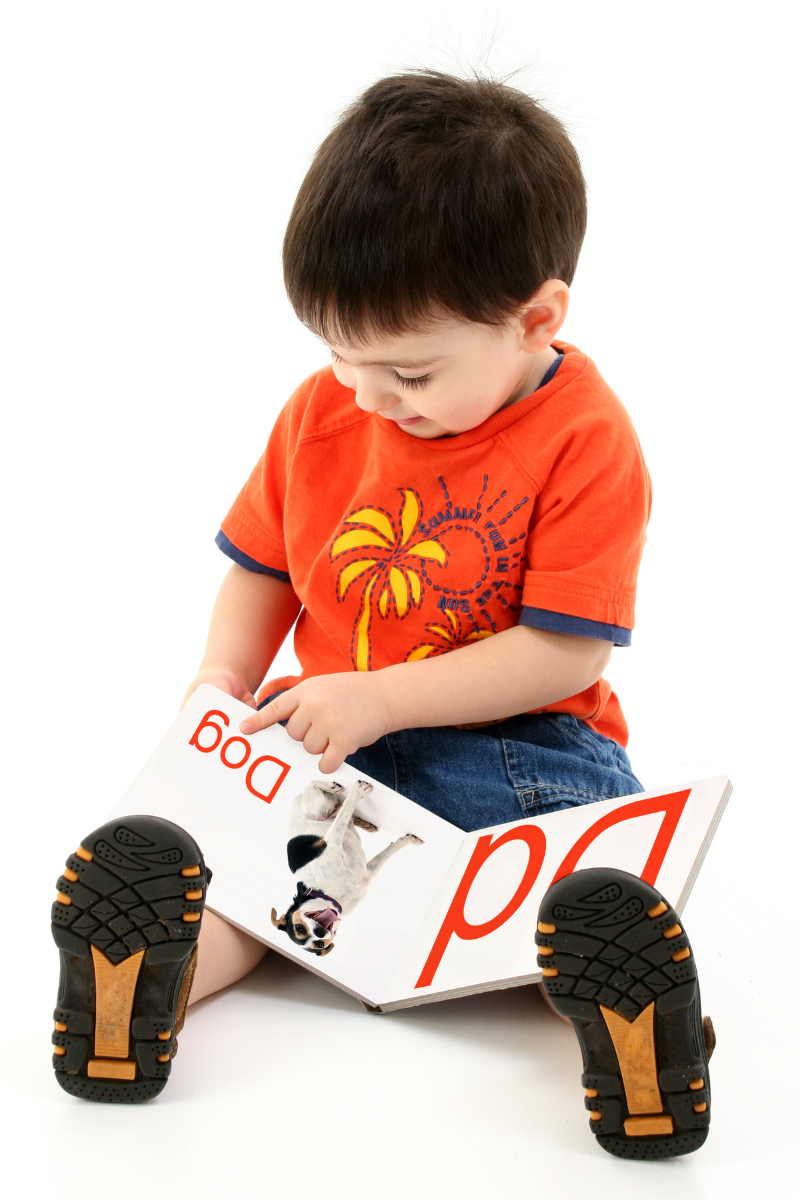
Already have ABC books at home that don't use ideal keywords? No problem!
Now that you know the correct sounds, you can still use them - just name the picture to build vocabulary, then emphasize the correct letter sound.
-
The book says, “X is for Xylophone.”
-
You say: “Here’s the letter X. This is a xylophone—that’s a fun new word! X makes the /ks/ sound, like in fox or box.”
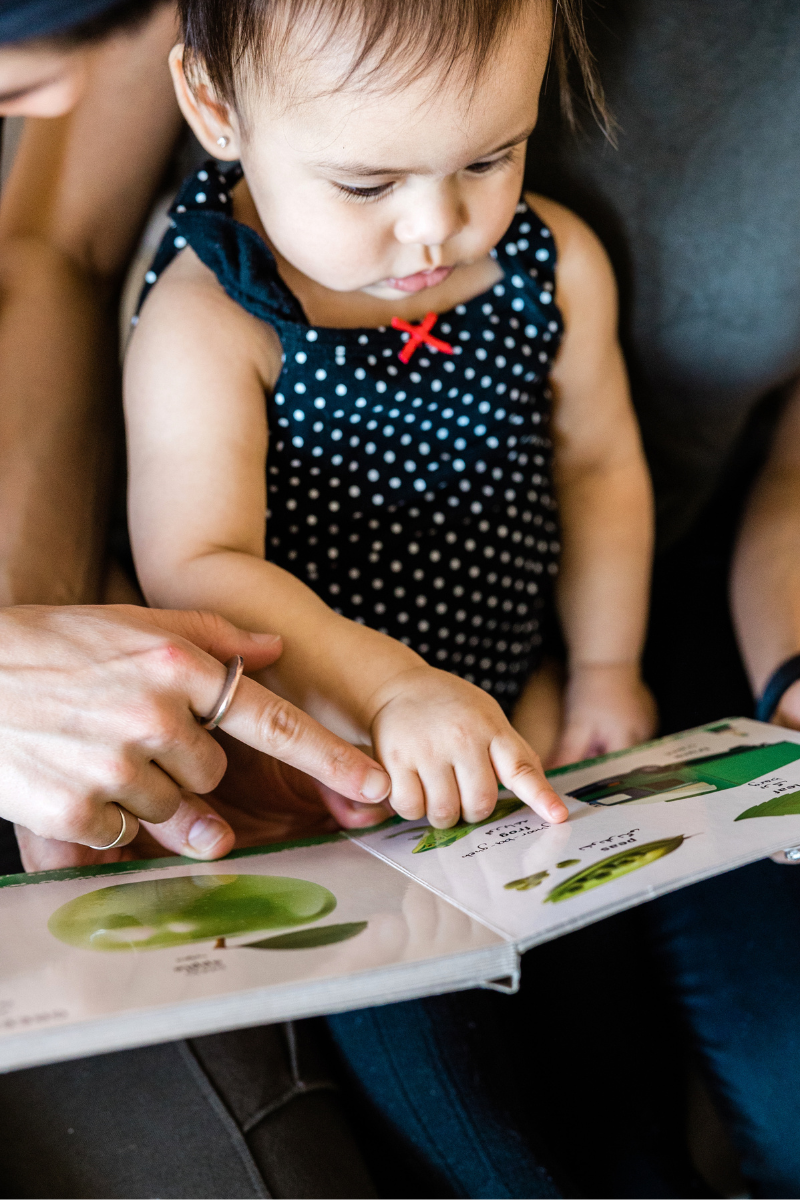
Early Literacy at Home: Start Small, Start Today
You don’t need traditional flashcards, apps, or a strict curriculum to give your child a strong start in reading.
Early Literacy grows best through consistent exposure, connection, and conversation - not perfection.
When your child explores letters and sounds through daily life, they're building the foundation they need for reading and writing success.
You're already doing amazing things.
Keep it natural. Keep it fun. You've got this!